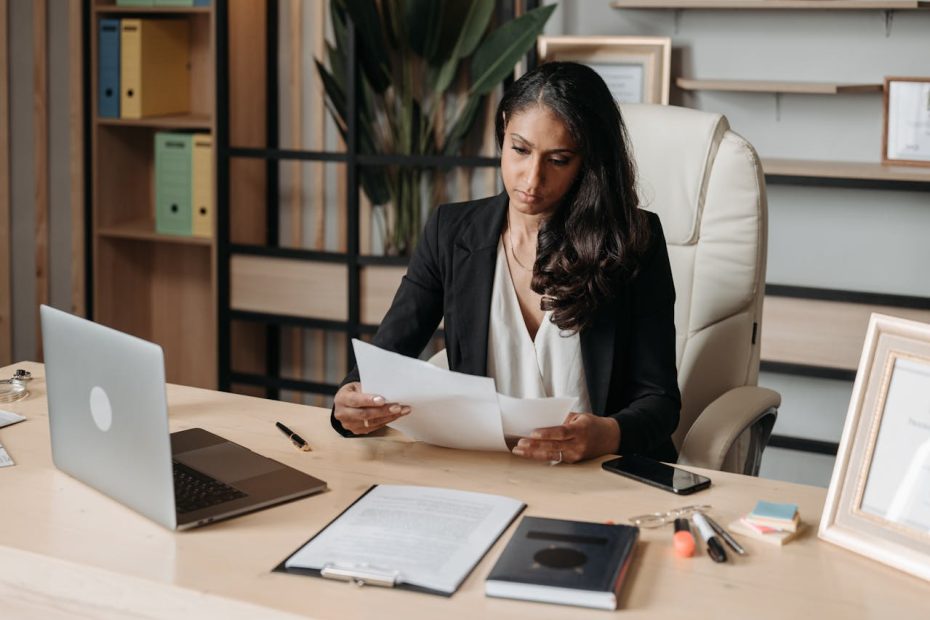
Across industries once closed off or dominated by men, women are not just stepping in, they are dismantling and rebuilding the walls. And the great thing is, they’re doing it on their own terms.
Let’s take an example from the construction industry. For the longest time, this industry has all been about steel, sweat, cement, heavy machinery, and silence when it comes to women. But Vinita Singhania, the Chairperson and Managing Director of JK Lakshmi Cement, didn’t wait for an invitation. She stepped in, took charge, and today leads one of the top cement brands in India. In an industrial segment where women rarely made decisions, she is laying the foundation and literally as well as figuratively, changing it forever.
In India, and perhaps everywhere else in the world, construction isn’t just about buildings. It’s about contracts, networks, and the right kind of access. Women like Vinita Singhania have had to fight for a space at the table and then prove, over and over again, why they belong there. They don’t even copy anyone. In their unique manner, they have injected precision into planning, empathy into negotiations, and balance into boardrooms.
Everybody knows Indra Nooyi, no? She is the former CEO and Chairperson of PepsiCo. While the world admired her numbers – net revenue increased by more than 80%, and total shareholder return 162% – insiders saw something else: a people-first approach. She led with intuition, empathy, and fierce clarity.
You must be regularly using ChatGPT these days, right? Or what about Netflix? Mira Murati was the Chief Technology Officer at OpenAI and played a significant role in the evolution of ChatGPT. Now she has founded a new AI start-up named Thinking Machines Lab that is valued at over $10 billion. She is building something different: AI that helps humans think better, not faster. She doesn’t just focus on speed and dominance, but also on clarity, transparency, and in alignment with human values.
Similarly, Bozoma Saint John, former CMO at Netflix and C-level exec across Apple and Uber, never tries to blend in. She shows up in bright colours, loud confidence, and brings marketing with soul to take companies that often feel clinical.
Closer home, Aditi Gupta, co-founder of Menstrupedia, turned whispers into conversations. In a country where menstruation is either considered taboo or is highly commercialised, she has built a platform rooted in education and dignity.
Before we stop focusing on particular women entrepreneurs, let’s not skip Ghita Khaldi, founder of iReach in Morocco, who has created one of the region’s first femtech startups, offering mobile healthcare services to women in remote villages.
That’s what differentiates women entrepreneurs from male entrepreneurs. It’s not that they are less ambitious. But their ambitions are driven by more meaningful questions such as, is there someone left out? How can what they are doing actually help people? What are the problems they are actually solving?
Women often build companies from lived experiences. Because of that, the companies they lead feel different. They don’t just disrupt markets, they fill the age-old gaps. They educate, and this softens what the world has hardened.
Across industries and across borders, women entrepreneurs are showing that you don’t need to be the loudest to lead. In many instances, you don’t even need to crush the competition to create something meaningful. They are showing that ambition and empathy can live in the same room. They have proven that businesses can grow, not just by expanding, but by including.
The barriers are breaking. The definitions are changing. They prove again and again that in the corporate world, vulnerability is not weakness, it’s human.
Also Visit : How Wellness Therapies Enhance Productivity and Well-Being for Corporate Women